
Bringing the Outdoors In: Creating Indoor Nature Retreats in Commercial Spaces
Bringing nature indoors. Discover how biophilic design transforms commercial interiors into calm, inspiring spaces that connect people and enhance well-being.

In an age where we spend nearly 90% of our time indoors, yet the desire to connect with nature remains strong, interior design is finding ways to bring the outdoors in. From lush living walls to the subtle textures of wood and stone, the movement toward biophilic design, a concept that integrates natural elements into interior spaces, has become one of the most meaningful and enduring design trends in commercial interiors.
While the aesthetic appeal of greenery is undeniable, the deeper motivation runs far beyond looks. Incorporating natural elements supports well-being, reduces stress, and enhances productivity; qualities that matter not just for individuals but for the businesses and institutions they inhabit.
Today, bringing the outdoors in isn’t about scattering a few plants around a space. It’s about curating a sensory experience. One that balances form and function, and one that a skilled interior designer can tailor to each environment’s unique purpose.
Why Nature Belongs Indoors
Our connection to the natural world is intrinsic. Studies in environmental psychology have shown that even limited exposure to natural patterns and materials can positively affect mood and concentration. In workspaces, this can mean improved focus and reduced fatigue. In hospitality settings, guests linger longer and report higher satisfaction. In healthcare environments, nature-inspired design has even been linked to faster recovery times and reduced anxiety among patients.
The science behind these effects lies in how the human brain responds to natural stimuli - soft lighting, organic shapes, and variations in texture are easier for the eyes and mind to process than artificial uniformity. The result is an atmosphere that feels more restorative and less sterile, no matter the function of the space.
When interior designers apply these findings, they go beyond decoration; they craft environments that mirror nature’s rhythms and energy.

Natural Elements that Transform Spaces
The foundation of biophilic design lies in materials, light, and form. Natural elements are used thoughtfully to evoke an outdoor experience without overwhelming the senses.
- Natural Light: Access to daylight remains the most sought-after feature in interior environments. Designers maximize natural light through open layouts, glass partitions, and reflective surfaces. Where natural light is limited, carefully layered lighting can emulate the warmth and tone of daylight to maintain that same uplifting effect.
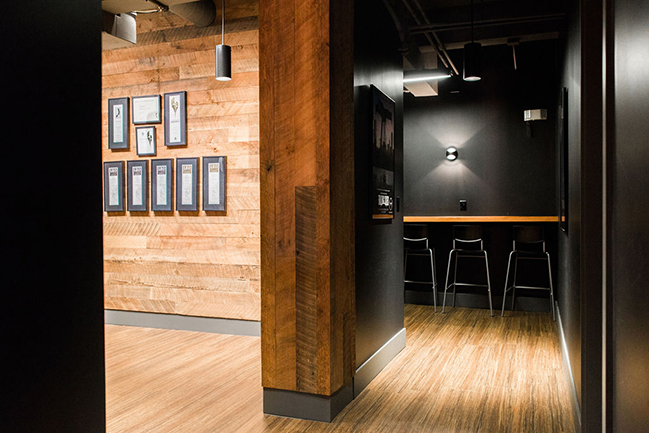
- Organic Materials: Textures like raw wood, stone, rattan, and clay bring tactile richness and authenticity. Even in commercial spaces where durability is key, these can be balanced with high-performance alternatives that mimic the same warmth.
- Colour Palettes Inspired by Nature: Earthy neutrals, leafy greens, sky blues, and sun-washed yellows form palettes that feel grounded and calming. These hues, chosen strategically, can also align with a brand’s visual identity, reminding visitors of the company’s story while fostering comfort and trust.
- Plants and Greenery: From vertical gardens to simple tabletop arrangements, plants are one of the most direct ways to reconnect with nature indoors. But it’s not just about aesthetics - plants improve air quality, reduce noise, and create psychological separation between zones in open spaces.
Together, these elements transform interiors into environments that don’t just function, they breathe.
Beyond Aesthetics: The Psychology of Natural Design
There’s a subtle but powerful psychology to designing with nature. Humans are hardwired to seek safety and refuge, yet we also crave exploration and light. Successful interior design meets both of these instincts by balancing open, airy spaces with areas of shelter and privacy.
Designers often incorporate biomorphic forms - curved lines and organic shapes- to create visual softness and movement. Textures play a key role too; the contrast of smooth and rough, soft and solid, mirrors the sensory diversity found outdoors.
In restaurants, this may look like a mix of stone, wood, and plant accents that create an earthy, grounded feeling for diners. In healthcare, it might take the form of large windows overlooking natural landscapes or art that reflects botanical themes. In both cases, the goal remains the same: to create calm through connection.

Finding Balance, Not Overwhelm
While nature-inspired interiors are deeply appealing, achieving balance is key. Too much greenery or an overload of natural textures can lead to visual clutter or even maintenance fatigue, especially in commercial settings that already demand operational efficiency.
This is where the expertise of an interior designer becomes an invaluable investment. Designers understand how to integrate biophilic elements with restraint, ensuring that natural features enhance rather than dominate a space. The goal is always harmony - between colour, texture, and function.
It’s also natural for clients to worry about upkeep. After all, who has time to care for dozens of plants or delicate materials? Thankfully, that’s not something most teams have to take on themselves. Many commercial spaces work with professional plant care services, whose sole role is to keep indoor greenery thriving without adding to staff workload. Designers, too, plan ahead for longevity and ease. They specify durable, low-maintenance materials that echo nature’s beauty but can withstand the demands of high-traffic environments. Think engineered wood finishes, faux moss walls, or sealed stone composites. This thoughtful approach ensures that natural serenity doesn’t come with unnecessary stress.
The result? A balanced retreat that feels organic, not overgrown.
Sustainability Meets Design Intent
Biophilic design also overlaps naturally with sustainability goals. A growing priority in commercial interiors. Choosing materials that are responsibly sourced, recyclable, or long-lasting helps minimize environmental impact while maintaining the natural aesthetic clients love.
An experienced designer understands how to source local materials, work with lighting systems that mimic natural rhythms, and introduce ventilation strategies that keep air fresh. The beauty of biophilic spaces lies in their timelessness, rooted in both ecological and emotional sustainability.
When done well, they don’t just look good; they do good, too.
Creating a Sense of Escape
Whether in a bustling restaurant, a serene healthcare clinic, or a modern workplace, the goal of bringing the outdoors in is to create a sense of retreat. A place where people can exhale.
Designers use natural transitions between materials, gentle lighting gradients, and layered greenery to create immersive experiences. A dining space might use hanging vines or planters to define intimate zones, while a waiting area might rely on natural art and organic textures to calm the senses.
These environments offer more than beauty. They restore energy, improve emotional well-being, and connect people to something timeless and grounding.
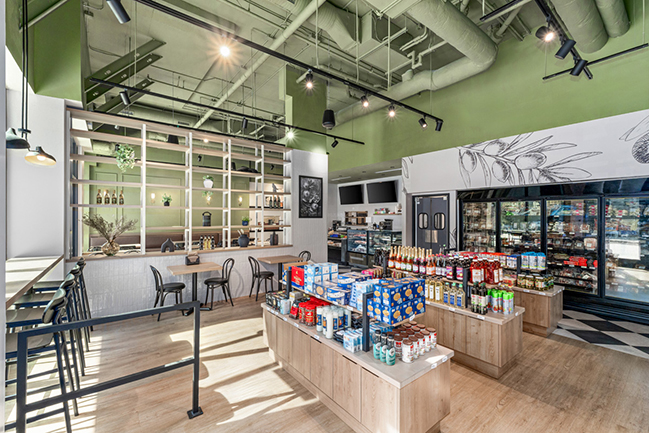
Nature, when thoughtfully invited indoors, transforms more than spaces, it transforms experiences. It transforms interiors into places that feel alive, reminding us that we belong to something bigger than the rooms we inhabit.
But achieving that effortless harmony requires intention, restraint, and a designer’s eye for balance. A well-designed commercial interior will honour the natural world without overcomplicating it, creating spaces that inspire calm, creativity, and connection.
If you’re curious about how the principles of nature-inspired design could reshape your next project, explore more insights in our journal, or connect with our team to begin the conversation.
.jpeg)
.jpeg)
.jpeg)