
Designing for Longevity: How to Future-Proof Commercial Spaces
When trends fade, good design endures.
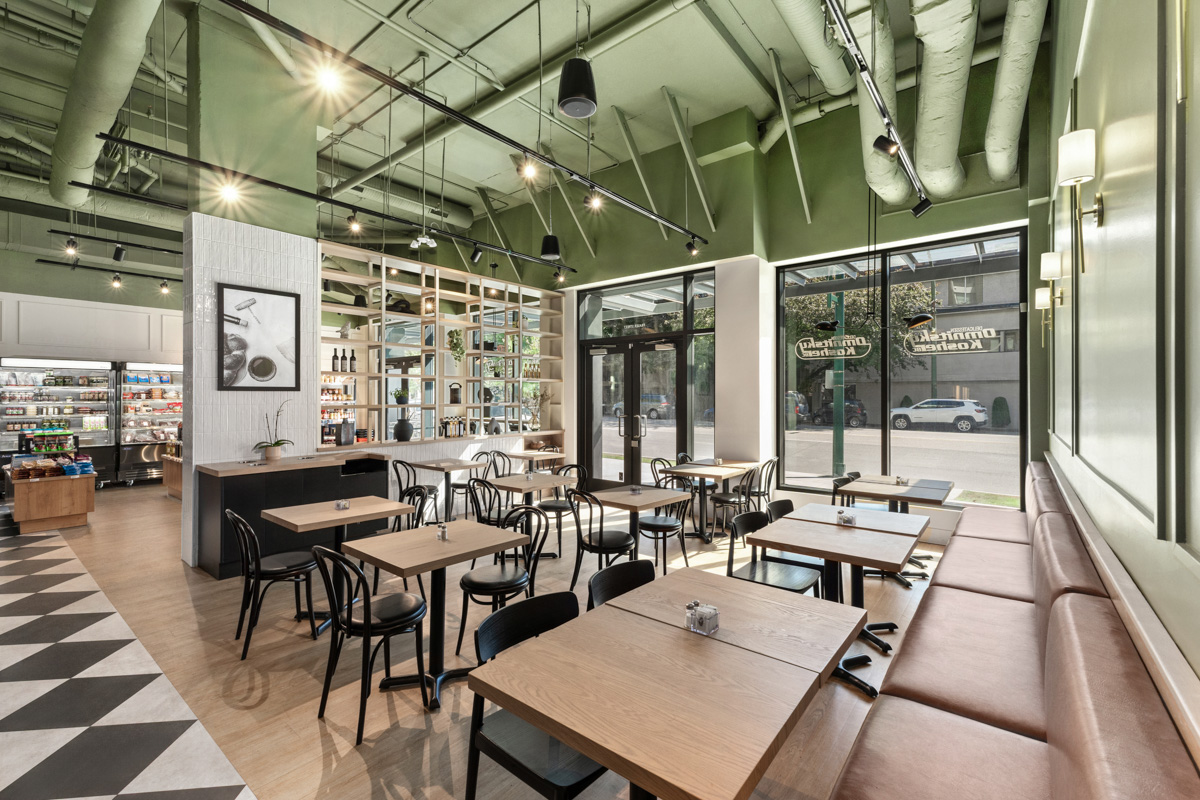
Avoiding trends that date quickly and designing spaces that age well.
Commercial spaces are rarely designed for a moment in time. More often, they are meant to serve businesses, brands, and communities for years, sometimes even decades. Yet in an era driven by fast-moving trends and constant visual stimulation, many interiors are designed to impress quickly rather than endure thoughtfully.
For owners and developers, especially those overseeing multiple locations, the cost of short-lived design decisions extends far beyond aesthetics. Frequent renovations disrupt operations, dilute brand consistency, and introduce avoidable expenses. Designing for longevity is not about resisting change; it’s about creating spaces that remain relevant, adaptable, and visually grounded over time.
At its core, longevity in design is strategic. It requires a shift from trend-driven thinking to principle-based decision-making; an approach that interior designers are uniquely positioned to guide.
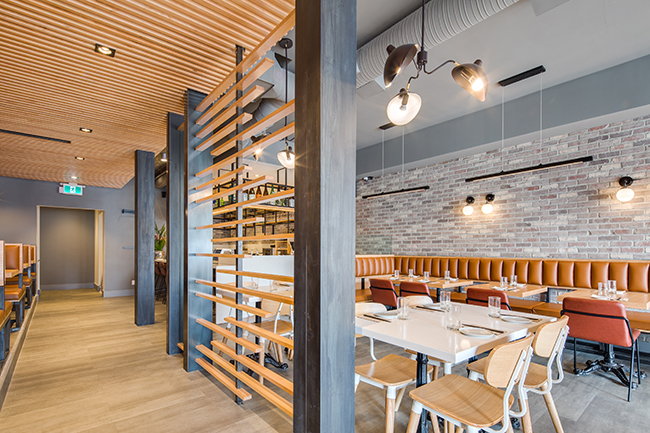
Why Longevity Matters More Than Ever
In hospitality and retail environments, first impressions matter immensely, but so does what happens after the novelty wears off. Spaces that feel dated too quickly can quietly erode customer confidence, even if the service or product remains strong. When this happens across multiple locations, the impact compounds.
Longevity also plays a critical role in healthcare design. We’ve all experienced facilities that feel outdated and impersonal, prompting an unspoken question: If the space hasn’t evolved, have the practices inside it kept pace? While the quality of care may be excellent, the environment still shapes perception, trust, and comfort.
Designing for longevity helps mitigate these risks. It allows commercial spaces to age with dignity, reinforcing brand credibility and supporting operational stability over time. Rather than chasing what’s new, longevity-focused design asks a different question: What will still feel right years from now?
Timeless Design Is Not Trend-Free Design
One of the most common misconceptions about longevity is that it requires avoiding trends altogether. In reality, timeless design doesn’t reject trends, it simply refuses to let them dominate.
Trends can be valuable. They reflect cultural shifts, evolving tastes, and new ways of thinking about space. When used thoughtfully, they can inject freshness and relevance into a design. The challenge arises when trends become structural rather than supplemental.
Designing for longevity means building a strong, neutral foundation - one that can support change without requiring complete reinvention. Trends are then layered in through elements that are easier to update: furnishings, lighting, artwork, or accent finishes. This approach allows spaces to evolve naturally over time without becoming visually or financially exhausting.
Interior designers act as editors in this process, helping clients determine which elements should remain timeless and where experimentation can live safely.
.jpg)
Materials That Stand the Test of Time
Material selection plays a significant role in how a space ages. In hospitality and retail environments, durability is never optional. Materials must withstand high traffic, frequent cleaning, and daily wear without losing their integrity.
Designing for longevity often means choosing materials that develop character over time rather than degrade. Natural finishes, thoughtfully selected textures, and quality craftsmanship tend to age more gracefully than novelty surfaces designed for immediate impact.
From a sustainability perspective, longevity and responsible design are closely linked. Materials chosen for durability and long-term performance reduce the need for frequent replacement, lowering both environmental impact and lifecycle costs. This approach aligns with broader sustainability goals while supporting operational efficiency; an important consideration for multi-location owners.
Healthcare environments, in particular, benefit from materials that balance resilience with warmth. Timeless finishes help create spaces that feel calm and trustworthy, reinforcing a sense of care without appearing clinical or outdated.
.jpg)
Colour, Pattern, and the Power of Restraint
Colour is often where spaces feel dated first. While bold palettes can be compelling, they require careful consideration when longevity is the goal.
Designing with restraint does not mean designing without personality. It means selecting palettes that support brand identity while allowing flexibility over time. Neutral bases paired with intentional accents create visual interest without locking a space into a specific era.
Pattern follows similar principles. When used strategically, pattern adds depth and character. When overused, it can overwhelm and limit adaptability. Interior designers help navigate this balance, ensuring color and pattern enhance the space rather than define it too narrowly.
For multi-branch brands, this approach also supports consistency. A cohesive palette can be interpreted across locations without requiring identical replication, allowing each space to feel connected yet contextual.
Designing for Adaptability Without Losing Timelessness
While aesthetics play a central role in longevity, adaptability adds an important layer of resilience. Businesses evolve. Operations change. Spaces that can accommodate growth or shifting needs without extensive renovation are better positioned for long-term success.
In hospitality and retail, adaptability might appear in flexible seating arrangements or multipurpose zones. In office environments, it may involve modular layouts that respond to changing team structures. The key is integrating flexibility discreetly without allowing it to compromise visual cohesion.
Timeless design and adaptability are not opposing forces. When planned together, they create environments that feel stable yet responsive, grounded yet forward-thinking.
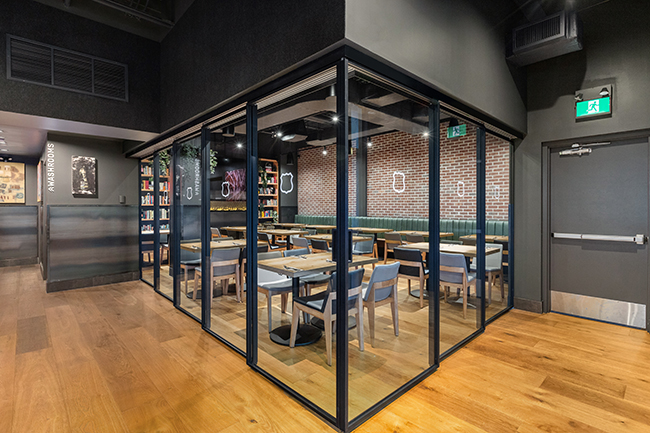
Longevity Across Commercial Environments
While hospitality and retail spaces often lead conversations about longevity, the same principles apply across commercial environments.
In healthcare, longevity supports trust, comfort, and dignity. Spaces that feel current without chasing trends reinforce confidence and create more positive patient experiences. In retail, longevity strengthens brand recognition and customer loyalty. In hospitality, it allows spaces to remain inviting long after opening day.
Across all sectors, longevity communicates care - care for the people using the space, for the brand it represents, and for the future it supports.
The Interior Designer as Curator and Editor
Designing for longevity requires discernment. Not every idea needs to be realized, and not every trend needs to be followed. This is where the role of the interior designer becomes especially valuable.
Designers act as curators, filtering inspiration through experience and context. They help clients distinguish between what feels exciting now and what will remain relevant later. As editors, designers refine concepts, ensuring restraint where necessary and intention throughout.
For owners and developers managing multiple locations, this guidance is critical. Designers help protect long-term investments by aligning visual identity, operational needs, and future adaptability without sacrificing creativity or relevance.
.jpg)
Conclusion: Designing for Where You’re Going
Spaces designed with longevity in mind offer more than aesthetic staying power. They reduce renovation frequency, support consistent brand experiences, and adapt more easily to change. Over time, these benefits translate into cost savings, operational stability, and stronger relationships with customers and communities.
Designing for longevity is not about predicting the future. It’s about creating spaces grounded in principles that remain steady as trends evolve. It’s a quieter, more intentional approach. One that values clarity over novelty and quality over excess
By focusing on timeless foundations, thoughtful material choices, restrained palettes, and adaptable layouts, designers help create environments that support growth without constant reinvention. Longevity becomes not a limitation, but a strength.
For businesses planning beyond their next opening, designing for longevity is an investment in continuity, confidence, and long-term success. To explore how long-term value, durability, and environmental responsibility intersect, visit our journal for more perspectives on sustainability in commercial interiors.
If you’re planning for the future of your space, or multiple spaces, we’d be glad to help you think beyond trends and design with longevity in mind.
.jpeg)
.jpeg)
.jpeg)