
Restaurant Interior Design Ideas for 2026: The Tile Trends Influencing Modern Hospitality
From textured feature walls to seamless indoor-outdoor transitions, discover the tile trends shaping restaurant interior design in 2026 and how thoughtful material choices create memorable guest experiences.
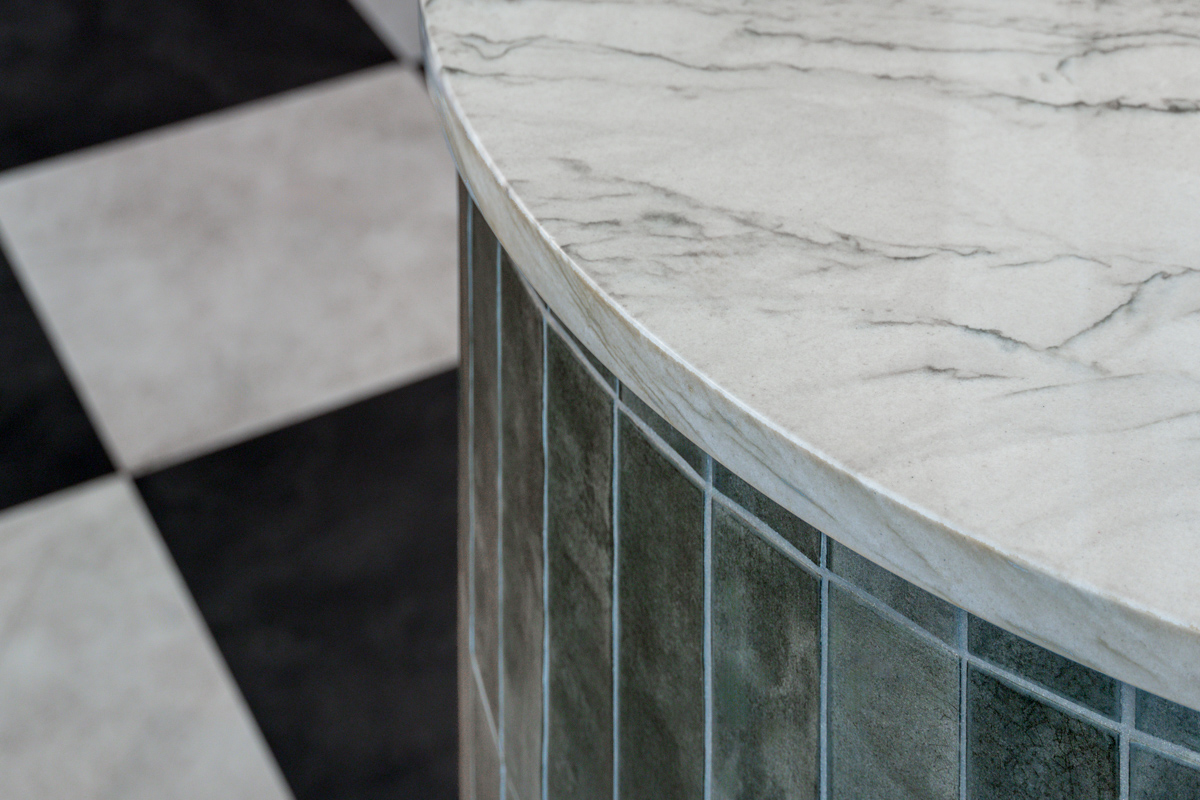
Restaurant interior design continues to evolve as operators seek new ways to create memorable dining experiences, strengthen their brand identity, and encourage guests to return again and again. In 2026, however, one thing is becoming increasingly clear: trends alone aren't driving restaurant design.
Today's most successful restaurants are thoughtfully balancing aesthetics, functionality, and customer experience. While eye-catching design certainly has its place, every finish, material, and layout decision should ultimately serve the people using the space.
Interestingly, tile is emerging as one of the defining design elements in modern hospitality environments. Once viewed primarily as a durable and practical material, tile is now being used to create atmosphere, tell a brand story, and even encourage social media engagement through highly photogenic spaces.
Whether you're planning a new concept or refreshing an existing restaurant, these are the tile trends and restaurant design ideas shaping 2026.
Why Tile Is Taking Centre Stage in Restaurant Design
Restaurants demand materials that can withstand heavy foot traffic, frequent cleaning, and the inevitable spills and scrapes of daily operation. Tile has always excelled in these areas, but today's products offer far more than durability.
Designers are increasingly using tile to:
- Create memorable feature walls
- Establish a unique brand identity
- Define different zones within a restaurant
- Add texture and warmth to minimalist spaces
- Deliver luxury aesthetics with practical performance
As commercial interior design projects continue to prioritize longevity and operational efficiency, tile has become one of the most versatile tools available to designers.
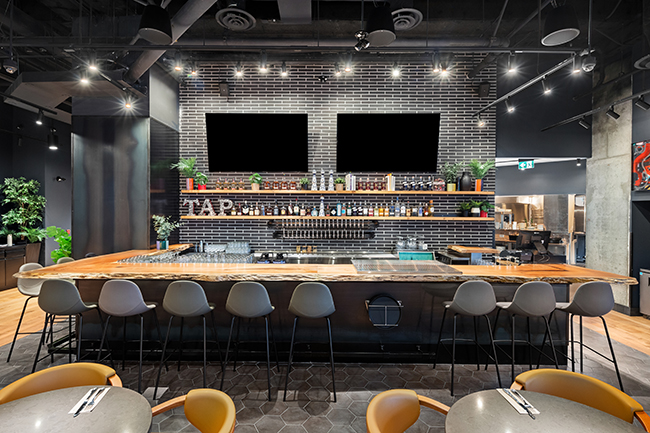
1. Large-Format Porcelain Creates Seamless Spaces
Large-format porcelain remains one of the biggest tile trends in 2026. Oversized tiles with fewer grout lines create a cleaner, more expansive appearance while also simplifying maintenance and cleaning routines.
For restaurants, this trend works particularly well because it:
- Makes smaller dining rooms feel larger
- Creates visual continuity between spaces
- Provides a refined, upscale appearance
- Reduces visual clutter
Large-format tiles are especially popular in contemporary restaurants that embrace open-concept dining and fluid transitions between seating areas, bars, and lounges.
The trend also aligns with another movement gaining traction in restaurant interior design: invisible design. Concealed lighting, integrated technology, and minimalist detailing are becoming increasingly desirable as designers seek to create spaces that feel effortless rather than overdesigned.
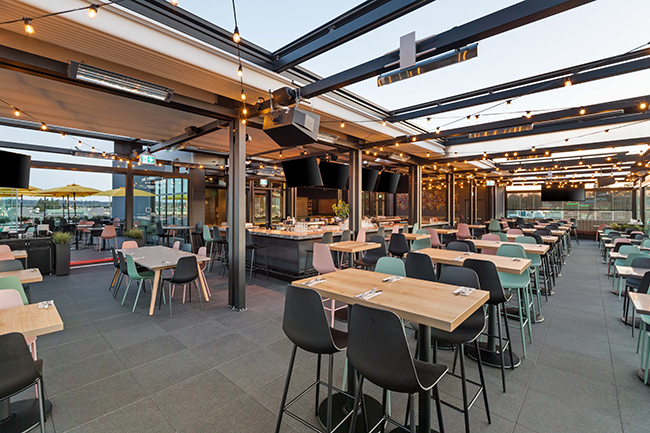
2. Indoor/Outdoor Tile Creates a Seamless Guest Experience
As patios and exterior dining areas continue to become an extension of the restaurant experience, designers are increasingly looking for ways to blur the boundaries between indoor and outdoor spaces.
One of the most exciting tile trends for 2026 is the rise of coordinated indoor/outdoor tile collections. These products offer the same look and colour palette in two different finishes – a smoother texture for interior applications and a more slip-resistant finish for outdoor environments.
The result is a seamless visual transition from the dining room to the patio.
This trend is particularly appealing for restaurants because it:
- Makes spaces feel larger and more connected
- Enhances the indoor-outdoor dining experience
- Creates stronger visual continuity
- Supports the growing demand for year-round patio environments
As a Vancouver interior design company, we've seen firsthand how thoughtfully designed transitions between spaces can dramatically improve the guest experience. Rather than treating the patio as an afterthought, many restaurants are now bringing the indoors out by designing exterior spaces as a natural continuation of the interior environment.
3. Texture Is Replacing Pattern
If there is one defining tile trend for 2026, it may be texture.
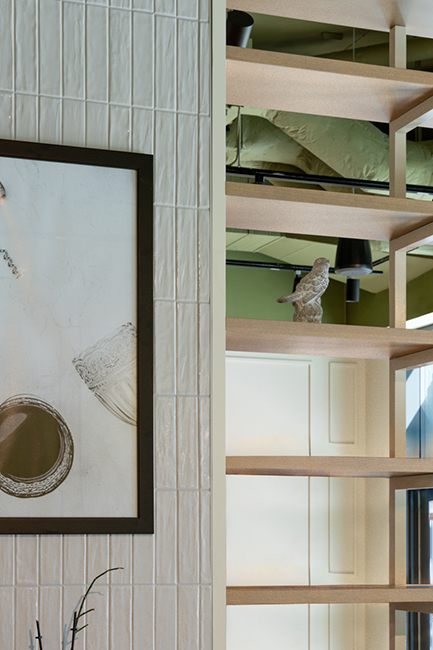
Flat surfaces are giving way to fluted finishes, handcrafted appearances, rippled surfaces, and dimensional tiles that create movement and visual interest without overwhelming a space.
This shift is particularly important in restaurants because texture creates atmosphere.
When paired with carefully integrated lighting, textured tiles cast subtle shadows that add depth and warmth throughout the day and into the evening. The result is a dining environment that feels rich and inviting rather than sterile.
Feature walls behind host stands, bars, and banquette seating are becoming ideal locations for textured tile applications.
Interestingly, these textured backdrops also happen to photograph beautifully; an increasingly valuable design consideration.
4. The Rise of "Selfie Culture" Design
A surprising hospitality trend for 2026 is the intentional creation of social media-worthy moments.
Restaurants are increasingly designing spaces that encourage guests to take photos and share them online. Feature walls, statement bars, artistic tile installations, and dramatic lighting can all become free marketing opportunities when customers post their experiences.
This doesn't mean creating spaces that feel gimmicky or overly trend-driven.
Instead, thoughtful restaurant design can incorporate memorable moments that feel authentic to the brand while naturally encouraging customer engagement.
A handcrafted tile feature wall, a striking terrazzo installation, or a beautifully illuminated textured backdrop can quickly become a recognizable part of a restaurant's identity.
When done well, guests become brand ambassadors simply by sharing their dining experience.
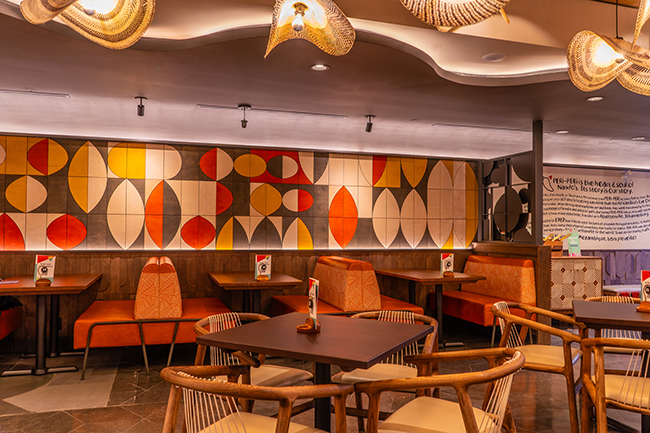
5. Warm Earth Tones Are Replacing Cool Greys
For years, cool greys and stark white interiors dominated hospitality design. In 2026, warmer palettes are taking their place.
Think:
- Soft sand tones
- Warm taupe
- Terracotta
- Limestone-inspired finishes
- Muted clay colours
These colours create environments that feel grounded, welcoming, and timeless.
Restaurants, in particular, benefit from warmer palettes because they help create a sense of comfort and connection, qualities that encourage guests to linger and enjoy their experience.
Many designers are pairing these earthy tones with natural woods, soft lighting, and biophilic elements to create spaces that feel both contemporary and enduring.
6. Handmade and Artisan-Inspired Tiles Add Character
In an age of mass production and digital experiences, people are increasingly drawn toward materials that feel authentic and handcrafted.
Tiles with irregular edges, subtle variations in colour, and artisan-inspired finishes are becoming highly sought after in hospitality design. These imperfect details create spaces that feel personal and curated rather than manufactured.
This trend is especially appealing for independent restaurants seeking to establish a distinct identity and memorable atmosphere.
Whether used as a backsplash, bar front, or feature wall, artisan-inspired tiles can help tell a story and create a stronger emotional connection with guests.
A skilled interior design consultant who knows what to look for when selecting commercial materials can help determine where these statement tiles will have the greatest impact while ensuring they remain practical and durable for everyday operations.
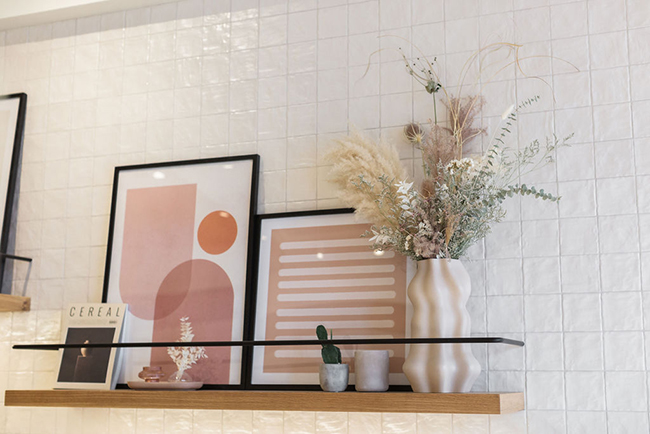
7. Terrazzo Makes a Stylish Return
Terrazzo is experiencing a resurgence, particularly in hospitality environments.
Modern terrazzo-inspired porcelain tiles offer the visual appeal of traditional terrazzo while providing the durability and ease of maintenance that commercial spaces require.
Terrazzo works particularly well because it:
- Adds visual texture without overwhelming the space
- Conceals wear and daily traffic
- Introduces subtle colour variation
- Complements both modern and classic design styles
Its playful appearance also lends itself well to restaurants seeking a vibrant, memorable atmosphere.
Trends Are Exciting – But People Should Always Come First
While it's fun to explore emerging design ideas and exciting material trends, successful restaurant environments are never created by simply following what's popular.
The best restaurant interior design begins by challenging the expected and understanding the end user.
Who are the guests? How do they move through the space? What atmosphere supports the restaurant's concept? How can materials improve both the customer experience and operational efficiency?
Trends should support these answers, not dictate them.
At JDG, we believe that great design is timeless because it puts people first. Whether incorporating large-format porcelain, textured feature walls, seamless indoor/outdoor tile applications, or artisan-inspired finishes, the goal remains the same: creating spaces that feel welcoming, memorable, and built to serve both the business and the people who experience it.
Looking for more inspiration? Explore our other journal articles to discover emerging material trends, innovative hospitality concepts, and insights into the future of commercial design.
.jpeg)
.jpeg)
.jpeg)