
What an Interior Design Consultant Looks for When Selecting Commercial Materials
Behind every successful commercial interior is a careful material selection process. Learn how interior design consultants balance aesthetics, durability, maintenance, and long-term performance to create spaces that stand the test of time.
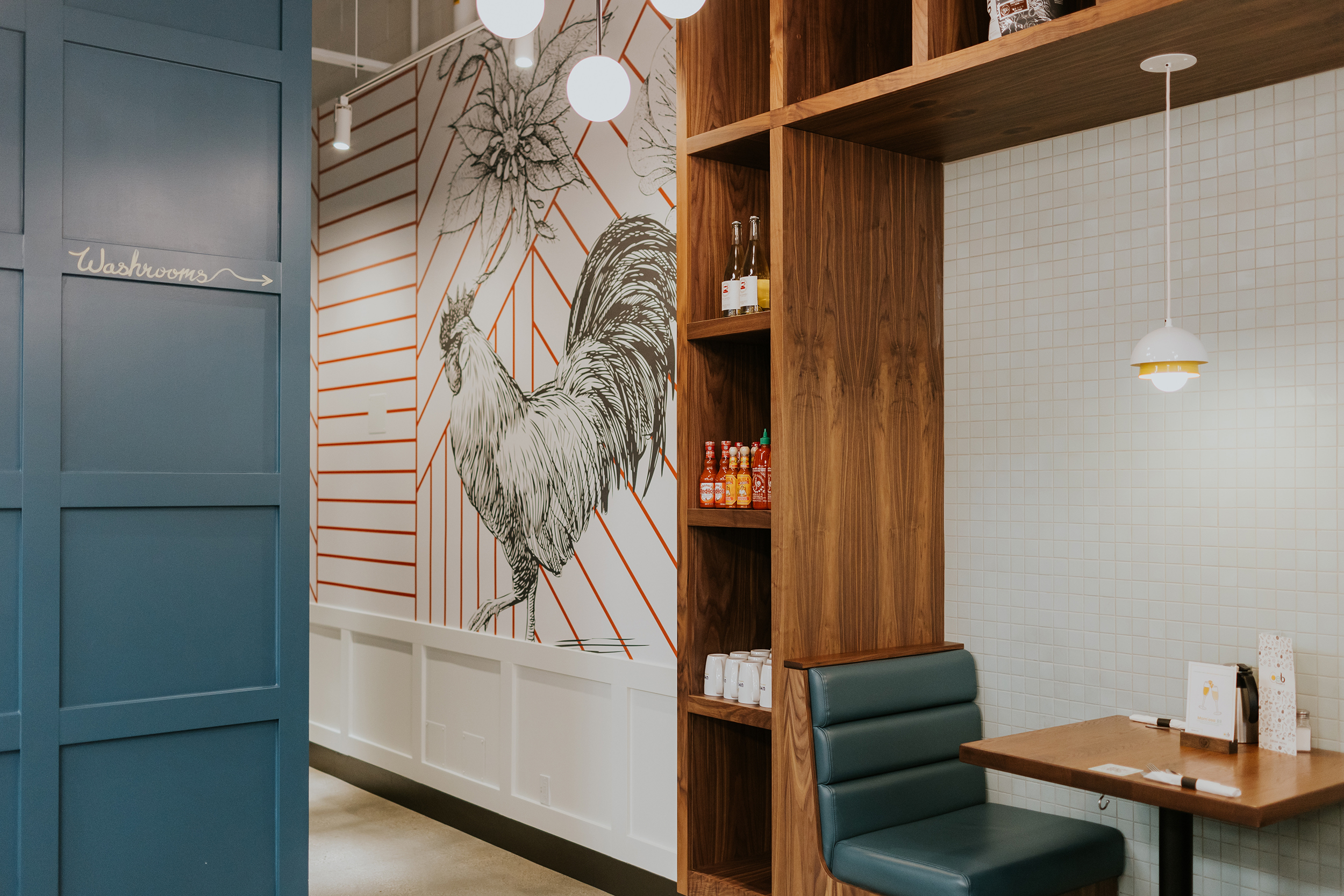
When selecting materials for a commercial project, there is a significant difference between what appears refined in a sample library and what actually performs under daily operational demands. What an interior design consultant looks for when selecting materials is not just a matter of style or preference, it is a layered evaluation of durability, maintenance, lifecycle cost, and how each surface will behave once a space is fully activated. This is where the role of an interior design consultant becomes essential: translating aesthetics into long-term, real-world performance across diverse commercial environments.
From hospitality and retail to workplace and healthcare environments, material decisions quietly determine how a space feels five years after opening, not just on opening day.
Flooring: The Foundation of Performance
Flooring is often the most heavily tested surface in any commercial interior. It carries constant foot traffic, shifting furniture loads, rolling equipment, spills, and repeated cleaning cycles. While showroom selections tend to emphasize visual impact, an interior design consultant evaluates flooring through an entirely different lens: resilience over time.
Key considerations include scratch resistance, indentation performance, slip resistance, and acoustic impact. A visually appealing floor that becomes worn or noisy within a year undermines the entire interior experience.
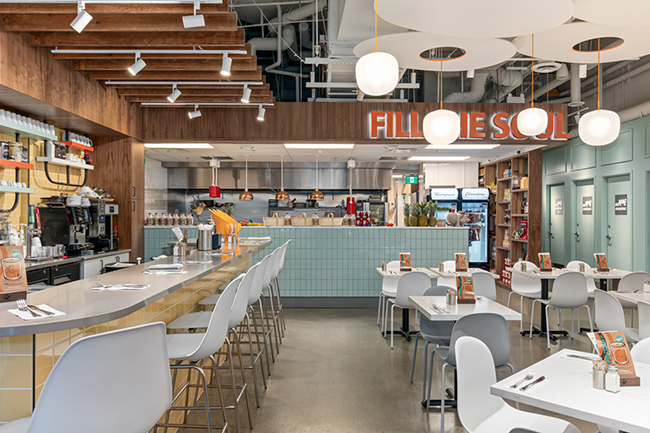
In many restaurant interior design projects, for example, flooring must withstand rapid cleaning cycles, grease exposure, and high turnover traffic without staining or deteriorating. In contrast, Vancouver office interior design projects often prioritize acoustic dampening and ergonomic comfort for staff who spend extended hours on their feet.
Material choices such as porcelain tile, commercial-grade luxury vinyl plank, and polished concrete often emerge as reliable performers, but each requires careful specification. Even within “durable” categories, product quality varies significantly, and installation details often determine success more than the material itself.
A common misconception is that trend-forward flooring automatically enhances a space. In reality, many visually striking finishes require higher maintenance or degrade unevenly under commercial use. This is one of the first areas where working with a professional designer becomes a critical investment.
Upholstery & Soft Finishes: Where Wear Becomes Visible First
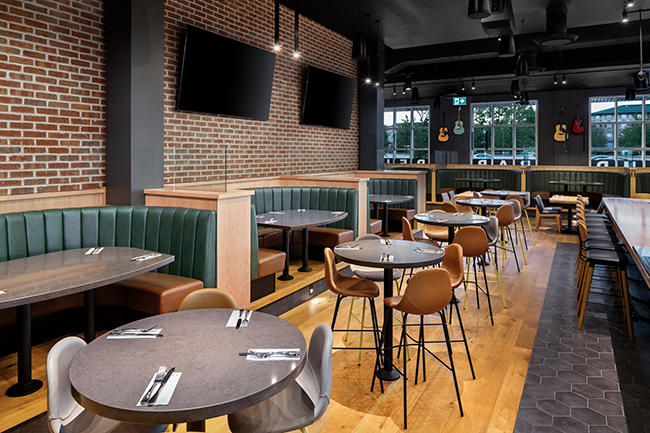
Soft finishes are often the first materials to show age in a commercial environment. Unlike flooring, which is engineered for impact, upholstery must balance comfort, aesthetics, and cleanability -- all while enduring constant physical contact.
An interior design consultant typically evaluates upholstery based on abrasion ratings, stain resistance, and cleaning protocols. Fabrics that appear luxurious in a showroom can quickly become impractical in high-use environments if they lack durability or proper treatment.
One of the most common design challenges is balancing texture with performance. Deep weaves, delicate fibres, or highly tactile materials may create a sophisticated aesthetic but can be difficult to maintain in busy environments. In hospitality settings such as restaurant interior design, upholstery must withstand spills, frequent cleaning, and constant turnover. Performance textiles or high-grade vinyl alternatives are often preferred, not because they are less attractive, but because they extend the usable life of the interior.
Similarly, in retail environments, fabrics must maintain their appearance despite continuous contact, sunlight exposure, and daily public interaction. The most successful selections are often those that quietly disappear into the design while performing consistently behind the scenes.
Millwork & Cabinetry: Where Craft Meets Durability
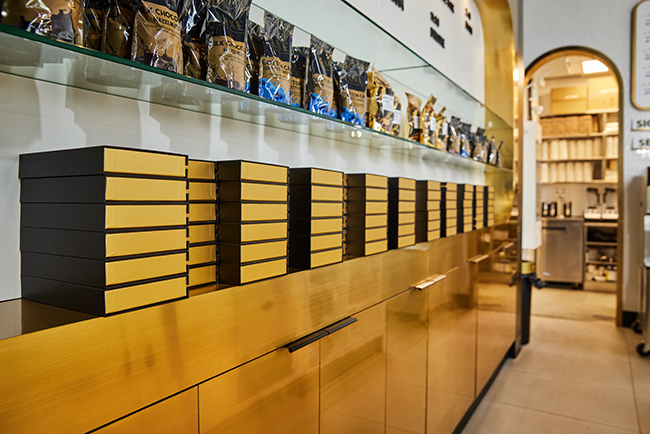
Millwork is where material selection becomes highly visible and highly vulnerable at the same time. Reception desks, built-ins, shelving systems, and feature walls all rely on surfaces that must withstand both tactile interaction and environmental stress.
A key decision point often comes down to veneer versus laminate. Veneer offers natural variation and depth, but it can be susceptible to chipping, moisture damage, and wear in high-contact zones. Laminate, on the other hand, has evolved significantly and now offers high-performance solutions that mimic natural materials while delivering far greater durability.
Edge detailing is another critical factor. Even high-quality materials can fail prematurely if edge banding is poorly specified or exposed to impact over time.
In office interior design, millwork is often expected to support both branding and daily function, especially in reception areas where first impressions matter. In healthcare environments such as medical office or clinic interior design, the expectations shift further toward hygiene, cleanability, and resistance to chemical cleaning agents.
Solid wood is occasionally used, but typically in controlled applications where patina and aging are part of the intended design outcome. In most commercial contexts, engineered systems provide a more predictable and cost-effective long-term solution.
Wall Treatments: The Balance Between Expression and Maintenance
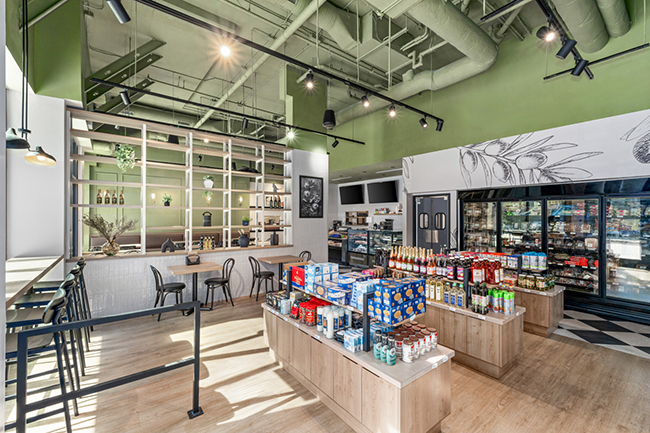
Wall surfaces often receive less attention during early design discussions, yet they play a significant role in how a space ages. Paint, wallpaper, and specialty finishes each carry distinct performance implications that extend far beyond colour selection.
Commercial-grade paint systems, for example, offer improved washability and durability compared to residential alternatives. However, even the best paint systems can struggle in high-contact environments without additional protection or strategic detailing. Vinyl wallcoverings have become a practical solution in many commercial settings due to their durability and cleanability. They can withstand repeated cleaning cycles and maintain visual consistency in high-traffic zones.
An interior design consultant evaluates wall treatments not only for aesthetics but for how they will behave in real-world conditions; especially in areas prone to impact, moisture, or frequent cleaning.
Feature walls and textured finishes remain popular, but they must be approached carefully. Highly tactile or delicate surfaces may elevate a space visually but can become maintenance liabilities if used in the wrong context. In restaurant interior design, for instance, walls often need to balance atmosphere with cleanability, whereas in healthcare or clinic environments, durability and sanitation typically take precedence over decorative complexity.
Countertops & Surfaces: Where Durability Meets Daily Use
Countertops and horizontal surfaces are among the most frequently used elements in any commercial interior. They are also among the most visible indicators of wear.
Quartz has become a widely adopted standard due to its non-porous nature, durability, and consistent appearance. Porcelain slab surfaces are also gaining traction, particularly in environments where heat resistance and thin-profile applications are desired. Natural stone remains a viable option, but it requires ongoing maintenance and sealing, which may not align with all operational models.
Edge durability, impact resistance, and stain resistance all play a role in determining long-term performance. Even a visually stunning surface can become problematic if it chips easily or requires frequent restoration. In high-traffic environments, the best material is not always the most luxurious, it’s the one that maintains its appearance with minimal intervention over time.
The Consultant’s Perspective: Designing for Real-World Performance
At the core of every successful specification process is a structured evaluation approach that goes far beyond aesthetics. This is precisely where what an interior design consultant looks for when selecting commercial materials becomes more than a concept –it becomes a methodology.
An interior design consultant considers how every material interacts with light, movement, cleaning routines, user behaviour, and operational demands. The goal is not simply to create a visually compelling space, but to design for longevity, ensuring that the space continues to function and represent the brand long after opening day.
This includes evaluating lifecycle costs, replacement timelines, maintenance requirements, and how materials will age under continuous use. A surface that looks exceptional on day one but degrades quickly ultimately costs more both financially and experientially.
This is also where the difference between a purely aesthetic selection process and a performance-driven approach becomes most apparent. Materials are not isolated choices; they are part of a system that must work together under pressure.
Conclusion: Designing for Longevity, Not Just First Impressions
Commercial interiors are living environments. They evolve, wear, and respond to constant human interaction. The most successful material selections are those that anticipate this reality from the beginning.
Working with an experienced interior design consultant ensures that material decisions are grounded in performance as much as aesthetics. Whether the project involves restaurant interior design, corporate offices, or multi-use commercial spaces, the goal remains the same: to create cohesive designs that maintain their integrity over time.
Ultimately, strong design is not defined by how a space looks on opening day, it’s defined by how well it holds up after years of real use. If you’re looking for guidance from an experienced interior design consultant, we would love to help bring clarity and confidence to your next project.
Contact us to discuss your commercial interior design needs and discover how strategic material selection can elevate both the function and longevity of your space.
.jpeg)
.jpeg)
.jpeg)