
What Makes a Successful Client–Designer Relationship
The best commercial interiors aren’t just designed well. They’re built on trust, clarity, and collaboration.
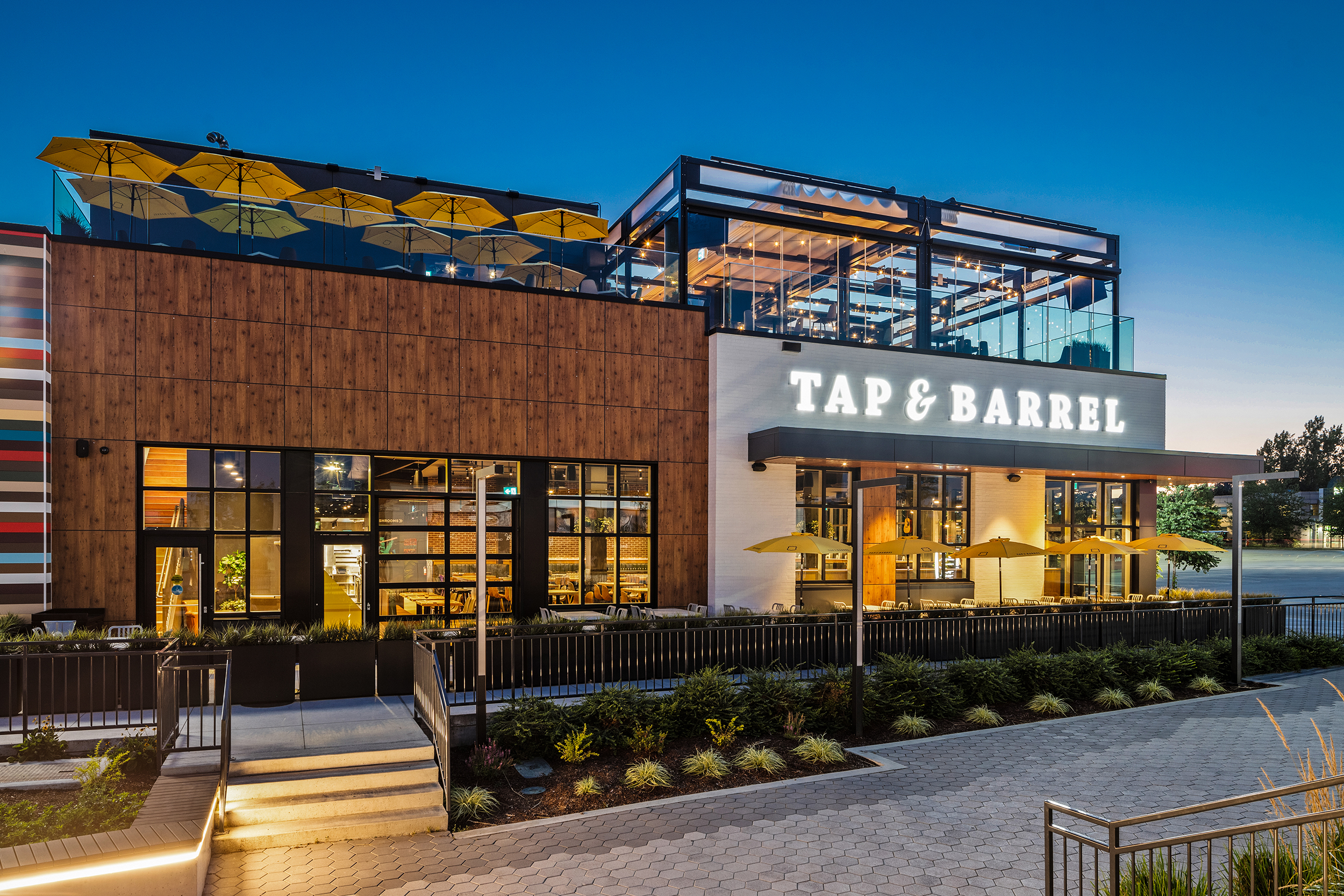
Successful commercial environments are rarely the result of talent alone. They are the outcome of alignment. In hospitality, retail, and healthcare especially, design is more than aesthetics. It shapes how guests linger, how customers navigate, how patients feel at ease. It influences operational efficiency, staff performance, and long-term brand perception. When executed well, a commercial interior becomes a strategic asset.
However, no matter how experienced the design team or how compelling the concept, the strength of the final outcome is directly tied to the strength of the relationship behind it. The most successful projects are not defined by square footage or budget. They are defined by partnership; one built on mutual respect, clear communication, and trust.
These three pillars are not abstract ideals. They are practical foundations that protect timelines, safeguard investment, and elevate results.
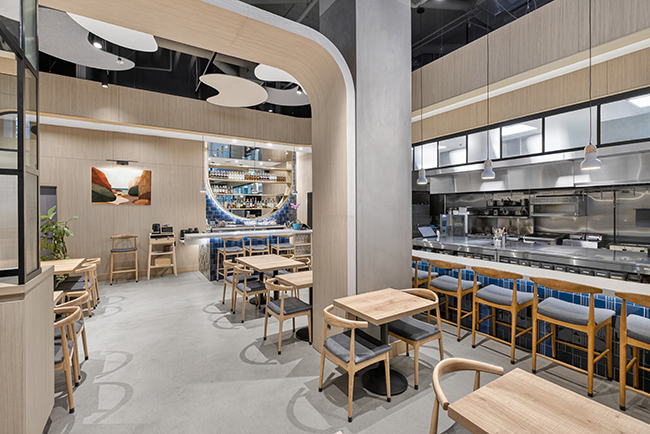
Mutual Respect: Valuing Expertise on Both Sides
A healthy client–designer relationship begins with understanding roles.
Commercial clients bring invaluable insight to the table: operational knowledge, industry experience, brand positioning, customer demographics, staffing realities, and financial objectives. You understand your business in a way no one else can.
Designers bring something equally critical: spatial strategy, technical fluency, regulatory awareness, construction foresight, and a deep understanding of how environments influence behavior. We translate business objectives into built form.
Mutual respect means recognizing that both perspectives are essential, and neither is secondary. Respect does not require blind agreement. In fact, strong partnerships often involve thoughtful debate. It does, however, require a willingness to listen, to weigh expertise carefully, and to approach decisions with shared goals in mind.
A designer’s role is not simply to make something look beautiful. It is to protect your investment, mitigate risk, anticipate complications, and ensure that every design decision supports longevity. Process exists for a reason. When timelines, approvals, and specifications are respected, costly revisions are minimized and momentum is preserved.
Likewise, designers must respect the operational realities and financial parameters that shape each project. Creative solutions must remain grounded in feasibility. When both parties value what the other brings to the table, the project moves forward with clarity rather than tension.
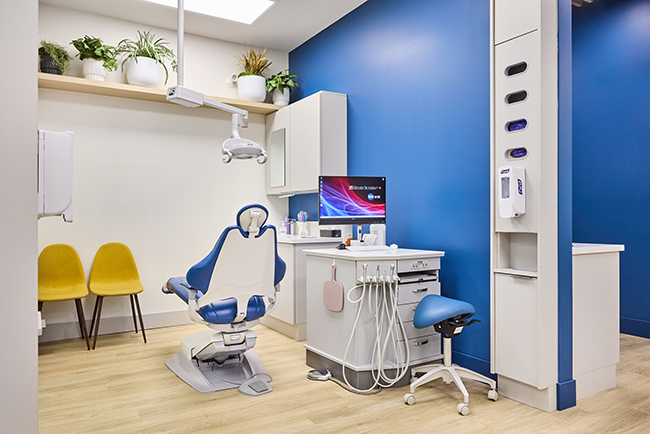
Communication: Clarity Creates Momentum
If respect establishes the tone, communication builds the structure.
Clear communication is one of the most powerful forms of risk management in a commercial project. It protects against scope creep, reduces misunderstandings, and keeps decision-making efficient.
Successful projects begin with well-defined scope and honest budget conversations. Transparency at the outset prevents friction later. When expectations are clearly articulated — including priorities, constraints, and non-negotiables — the design process becomes focused rather than reactive.
Equally important is defining who holds the decision-making authority. In commercial environments, multiple stakeholders are often involved. Without a clear point person, feedback can become fragmented, timelines can stall, and revisions can multiply.
Structured meetings, documented decisions, and timely responses are not bureaucratic formalities. They are safeguards. Assumptions can often be the most expensive part of any project. When details are confirmed in writing and feedback is delivered within agreed upon timeframes, contractors can execute with confidence and designers can refine with precision.
Communication also protects creative energy. When expectations are aligned, creativity flourishes. When they are not, even strong ideas struggle under the weight of confusion. Clarity is kind; clarity creates momentum; momentum builds confidence; and confidence strengthens the partnership.
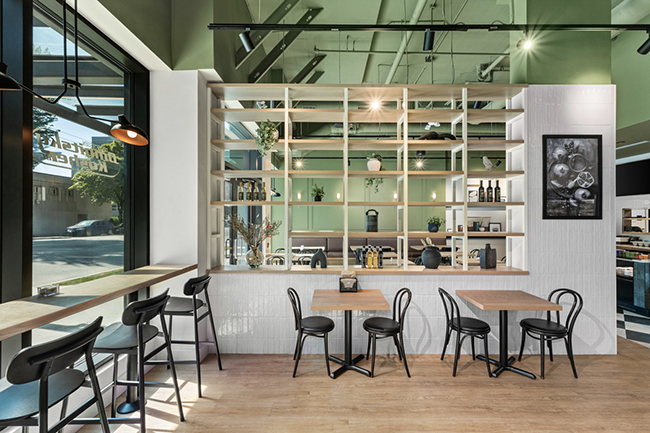
Trust: The Multiplier
Respect and communication lay the groundwork. Trust is what elevates the outcome.
For many business owners, entering a design process requires a degree of vulnerability. You are making financial commitments. You are making decisions that will influence how your brand is perceived. You are stepping into areas outside your daily expertise.
Trust allows that process to feel secure rather than uncertain.
Trust means believing that recommendations are made strategically, not arbitrarily. It means understanding that when a designer advises against a particular material, layout, or shortcut, it is in service of durability, compliance, operational flow, or long-term return on investment.
Design teams are not there to override your vision or inflate your budget. They are there to anticipate challenges before they surface, to balance aesthetics with performance, and to create an environment that supports your business goals well beyond opening day.
In hospitality, trust may allow for a layout adjustment that increases revenue per square foot. In retail, it may involve merchandising strategies that improve circulation and dwell time. In healthcare, it may mean prioritizing finishes that balance warmth with infection control and longevity.
Trust creates space for strategic thinking. It reduces micromanagement. It empowers designers to solve problems proactively rather than defensively. When trust is present, projects do not merely meet expectations, they exceed them.
Strengthening the Partnership
While much of the responsibility for process management falls on the design team, clients play an equally important role in shaping the success of the relationship.
There are practical ways to strengthen collaboration from the outset:
- Enter the process with clear business objectives. Are you seeking increased revenue, improved efficiency, brand repositioning, or expansion into a new market? Clarity of intent informs every design decision.
- Be transparent about budget parameters. A realistic understanding of financial boundaries allows for strategic allocation rather than reactive cuts.
- Appoint a decisive point person. Consolidated feedback streamlines approvals and protects schedule integrity.
- Respect timelines that are built to protect the project. Design development, documentation, and coordination phases each serve a purpose. Rushing one stage often creates delays in another.
- Remain open to professional guidance. Your initial vision is a valuable starting point, but design solutions may evolve as technical realities and spatial opportunities emerge.
- Ask questions! Curiosity strengthens collaboration and builds shared understanding.
None of these practices are rigid rules. They are partnership enhancers. When both parties engage fully and transparently, the process becomes less stressful and far more productive.
Where Partnership Meets Performance
Commercial interiors are investments. They influence revenue, reputation, staff morale, and client experience. Their success is rarely accidental.
Strong outcomes are built on strong relationships.
Mutual respect builds alignment.
Clear communication builds confidence.
Trust builds exceptional results.
When these elements are present, design becomes more than a service. It becomes a strategic collaboration that supports the long-term trajectory of your business.
If you are preparing to launch, expand, or reimagine your commercial space, thoughtful partnership from the outset can define the direction of your investment. We welcome conversations with business owners who value clarity, strategy, and long-term performance, and invite you to explore more of our journal for continued insight into the design process and the principles that shape lasting commercial environments.
.jpeg)
.jpeg)
.jpeg)