
Restaurant Interior Design Mistakes That Hurt Revenue
Great design isn’t just visual. These are the restaurant interior mistakes that quietly impact experience, efficiency, and revenue.
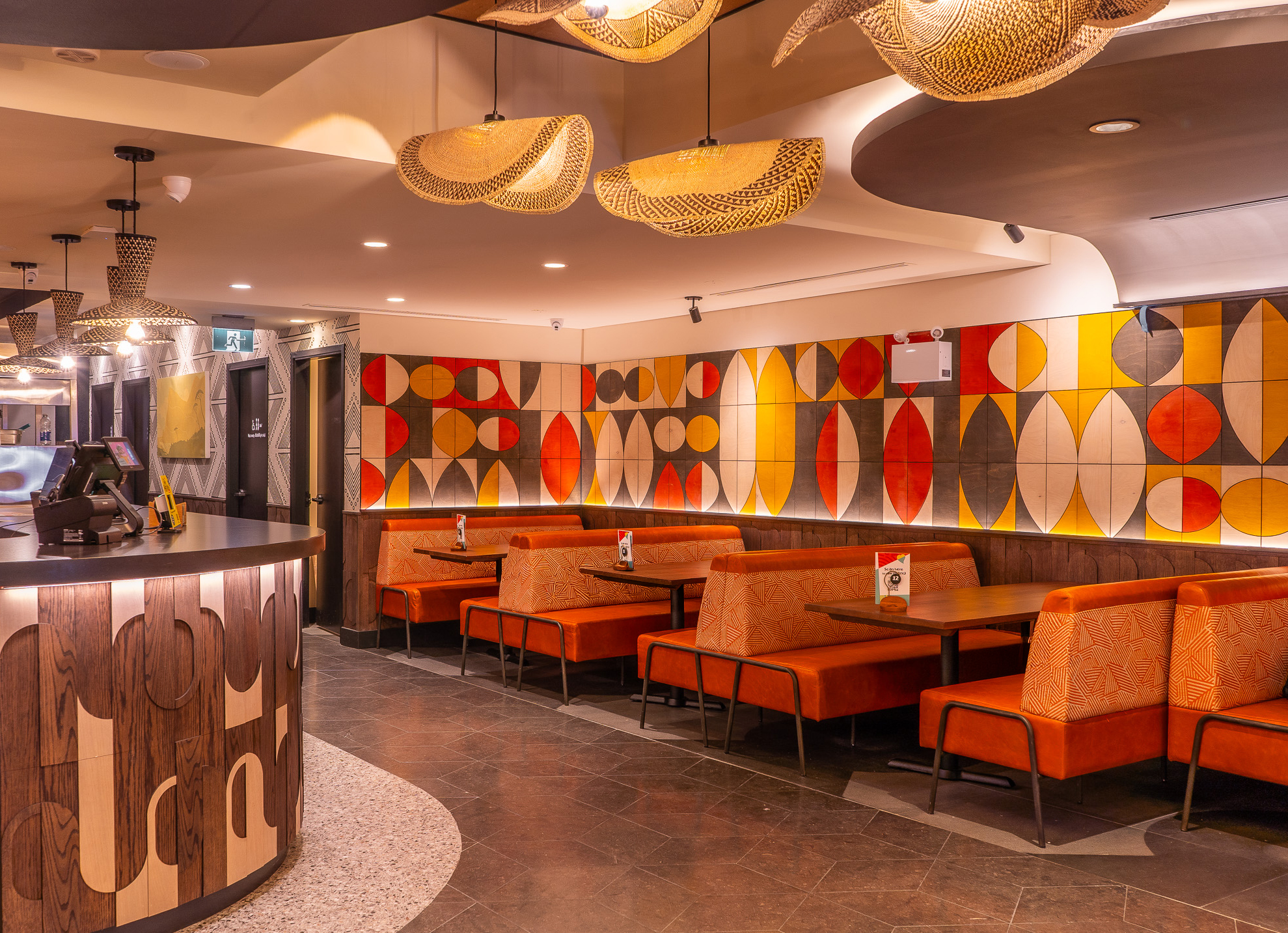
In restaurant interior design, the smallest decisions often carry the greatest financial impact. From how seating is arranged to how sound travels through a space, design choices directly influence guest comfort, staff efficiency, and ultimately, revenue. Yet many restaurants, whether newly built or recently renovated, continue to overlook key elements that shape the overall experience.
Restaurant design is not simply about creating an atmosphere, it’s about shaping how a space performs under real, daily conditions. How long guests stay, how easily staff can move, and how comfortably people can engage with the environment all contribute to the success of a restaurant. For those investing in commercial interior design in Vancouver, where competition is high and expectations elevated, understanding where design commonly falls short is essential to creating spaces that not only look refined, but perform exceptionally.
Seating Layouts That Limit Capacity and Comfort
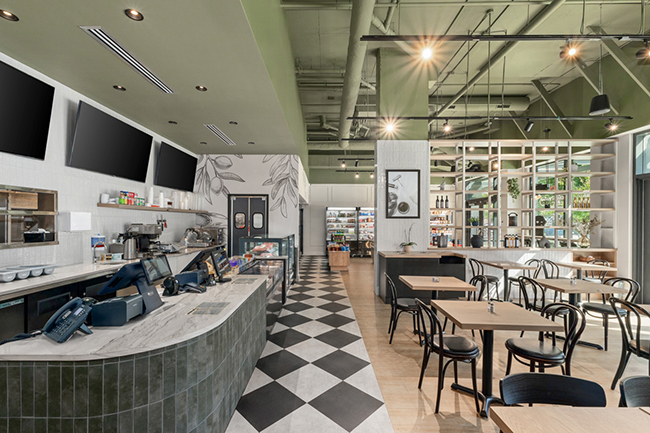
Seating is often approached as a simple equation: maximize the number of guests within a fixed footprint. In reality, poorly considered layouts can quietly erode both revenue and experience.
Tables placed too closely together reduce privacy, create friction for service staff, and contribute to an overall sense of discomfort that shortens guest dwell time. Conversely, overly generous spacing may limit capacity without delivering a meaningful improvement to the experience.
The most effective restaurant layouts strike a careful balance, supporting efficient circulation while preserving intimacy. Clear pathways for staff, thoughtful zoning between dining areas, and a mix of seating types all contribute to a space that feels both functional and considered. This is where collaboration with an experienced interior design consultant becomes invaluable, translating spatial constraints into layouts that serve both the guest and the business.
Beyond spacing, the composition of seating plays an equally important role. An over-reliance on larger tables can limit flexibility, while a thoughtful mix of two-tops, four-tops, and adaptable seating arrangements allows restaurants to respond to varying group sizes throughout service. This flexibility impacts both occupancy rates and revenue potential.
When seating is approached strategically, it not only maximizes capacity but also supports a more natural rhythm of service, allowing staff to operate efficiently while guests remain comfortable and engaged within the space.
Lighting That Works Against the Experience
Lighting is one of the most influential - and most frequently mishandled - elements in restaurant design. It shapes perception, sets the tone, and directly impacts how long guests choose to stay.
Overly bright environments can feel clinical and uninviting, while spaces that are too dim may create discomfort or even frustration when guests struggle to read menus or see their food clearly. In both cases, the result is the same: a compromised experience that affects return visits.
Lighting also plays a critical role in reinforcing brand identity. A bright, evenly lit space may support a fast-casual concept, while a more layered, intimate approach can elevate a premium dining experience. When lighting is misaligned with the intended concept, it creates a disconnect that guests may not consciously identify, but will undoubtedly feel. Incorporating dimmable systems and zoning strategies allows restaurants to shift seamlessly from daytime service to evening ambiance; an essential consideration in creating a space that remains consistent yet adaptable throughout the day.
Effective lighting design layers multiple sources; ambient, task, and accent, to create depth and flexibility. It considers how the space transitions from day to evening and how different zones within the restaurant may require different lighting conditions. In the context of restaurant interior design in Vancouver, where seasonal light shifts and shorter winter days play a role, these considerations become even more critical.
Poor Spatial Flow That Disrupts Service
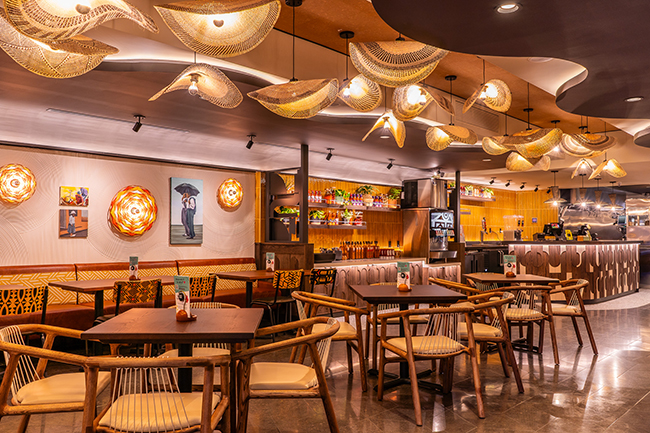
A visually striking restaurant can still underperform if its layout disrupts the natural flow of movement. Guests notice when spaces feel confusing or congested, and the staff members feel it even more acutely.
Common issues include unclear entry points, bottlenecks near host stands, and inefficient connections between the kitchen and dining areas. These friction points slow service, increase staff fatigue, and ultimately impact turnover rates.
Good design anticipates movement before it becomes a problem. It creates intuitive pathways, clearly defines zones, and ensures that front-of-house and back-of-house operations are seamlessly connected. Within commercial interior design in Vancouver, where many spaces come with existing structural limitations, thoughtful space planning is essential to avoid costly inefficiencies.
Acoustic Oversights That Drive Guests Away
Acoustics are often treated as an afterthought, yet they play a defining role in how a space is experienced. A restaurant that is too loud can feel chaotic and exhausting, while one that lacks energy can feel flat and uninviting.
Hard surfaces, such as concrete floors, glass walls, and minimal soft finishes may align with a desired aesthetic, but without acoustic mitigation, they amplify noise and reduce speech clarity. Guests may find themselves leaning in to hear one another, cutting conversations short, or choosing not to return altogether.
Integrating acoustic considerations early in the design process allows for a more balanced environment. Upholstered seating, acoustic panels, strategic ceiling treatments, and material layering all contribute to a space that feels lively without being overwhelming. For a Vancouver interior design company working across hospitality environments, this balance is essential to creating spaces that support both atmosphere and comfort.
Design That Fails to Reflect Brand Positioning
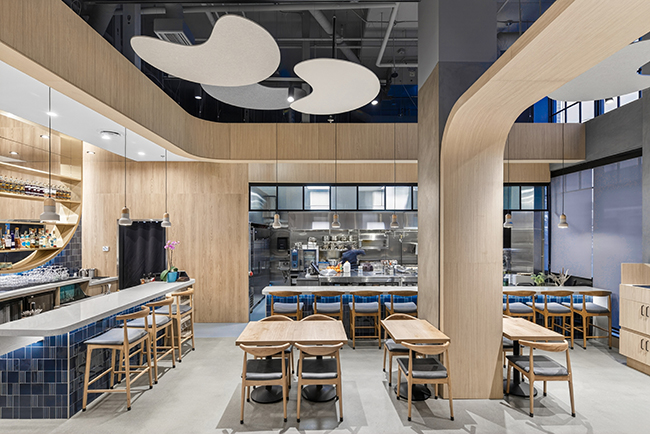
A well-designed restaurant does more than function efficiently; it communicates a clear and cohesive identity. When design decisions lack alignment with the brand, the result can feel disjointed, leaving guests uncertain about the experience being offered.
Material selections, furniture styles, and spatial layout should all reinforce the restaurant’s concept, price point, and target audience. A disconnect, such as high-end finishes paired with a casual service model, or an elevated menu within an underwhelming environment, can subtly undermine perceived value.
In a market like Vancouver, where diners are increasingly design-aware, these inconsistencies can influence not only first impressions but long-term loyalty. Thoughtful restaurant interior design ensures that every element of the space contributes to a unified narrative; one that resonates clearly with its intended audience.
When Aesthetic Choices Ignore Operational Reality
A strong visual identity is important, but when aesthetics take priority over function, the results can be costly.
Design features that look compelling in concept may prove impractical in use: finishes that wear too quickly, furniture that is difficult to maintain, or layouts that complicate service. Over time, these decisions increase operational costs and detract from the overall experience.
The most successful restaurant interiors are those where design and operations are considered in tandem. Material selections are made not only for their visual impact, but for their durability - a balance that speaks to longevity in design. Layouts are informed by how staff move and work within the space. Every decision supports a larger goal: creating an environment that performs as well as it looks.

Designing for Performance, Not Just Appearance
At its core, restaurant design is not just about how a space looks, it’s about how it works. Every element, from seating density to acoustics, contributes to a larger ecosystem that shapes guest perception, operational efficiency, and long-term profitability.
Avoiding these common pitfalls requires a strategic approach - one that considers both the immediate visual impact and the realities of daily use. This is where working with a team experienced in commercial interior design can make a measurable difference. With the insight of a skilled interior design consultant, restaurant owners and developers can move beyond surface-level decisions to create spaces that are cohesive, efficient, and built for longevity.
In a competitive market like Vancouver, where guest expectations continue to evolve, thoughtful design is not a luxury, it is a critical component of success.
If you’re planning a new restaurant or reworking an existing space, connect with our team to explore how strategic design can support both experience and revenue. Or, explore our other journal entries for more insights on designing high-performing commercial environments.
.jpeg)
.jpeg)
.jpeg)